
The Boy Who Cried Wolf
Original price was: ₹499.00.₹299.00Current price is: ₹299.00.
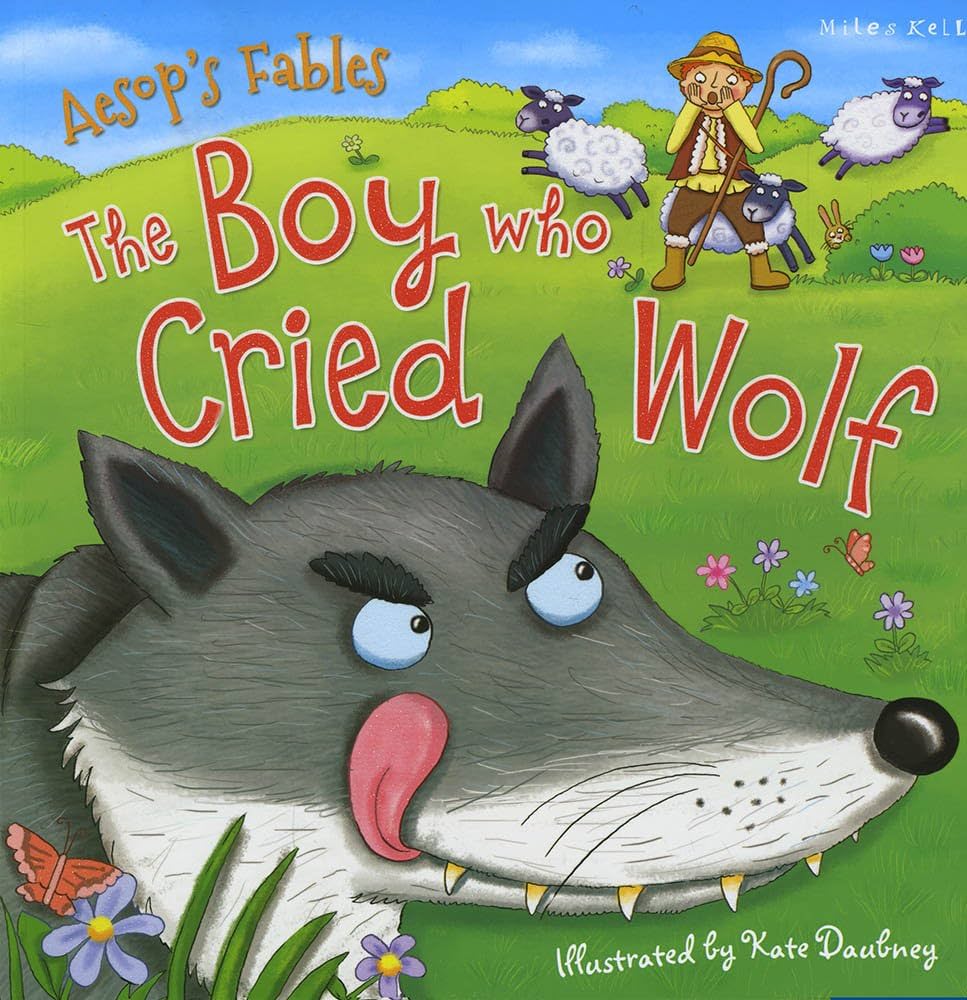
The Boy Who Cried Wolf is one of Aesop’s Fables, numbered 210 in the Perry Index. From it is derived the English idiom “to cry wolf”, defined as “to give a false alarm” in Brewer’s Dictionary of Phrase
Elevate your everyday routine with a reliable structure that adapts well to different needs. It’s designed to deliver making it highly suitable for regular and practical use.
General Inquiries
There are no inquiries yet.

Related Products
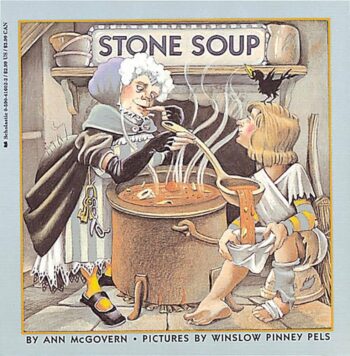
Stone Soup is a European folk story in which hungry strangers convince the people of a town to each share a small amount of their food in order to make a meal. In varying traditions, the stone has been replaced with other common inedible objects, and therefore the parable is also known as axe soup, button soup, nail soup, bolt soup, and wood soup.
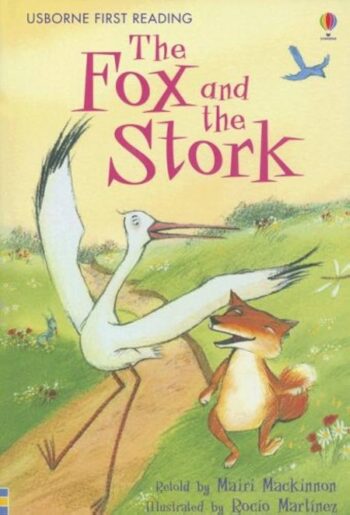
The Fox and the Stork, also known as The Fox and the Crane, is one of Aesop’s fables and is first recorded in the collection of Phaedrus. It is numbered 426 in the Perry Index.
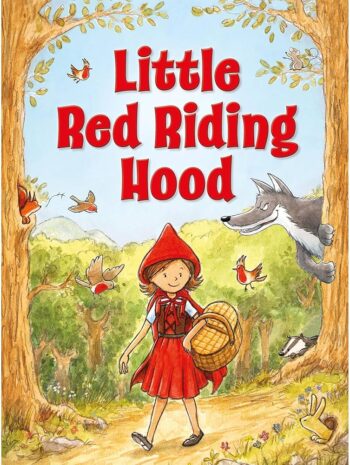
“Little Red Riding Hood” is a fairy tale by Charles Perrault about a young girl and a Big Bad Wolf. Its origins can be traced back to several pre-17th-century European folk tales. It was later retold in the 19th-century by the Brothers Grimm.
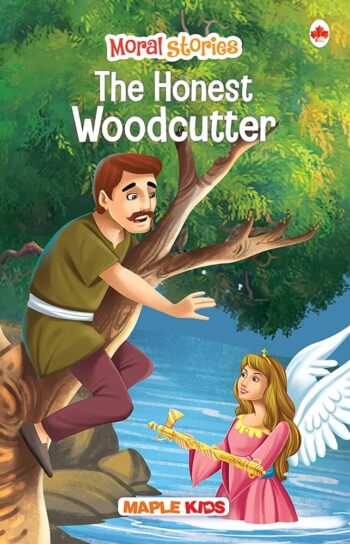
The Honest Woodcutter, also known as Mercury and the Woodman and The Golden Axe, is one of Aesop’s Fables, numbered 173 in the Perry Index. It serves as a cautionary tale on the need for cultivating honesty, even at the price of self-interest. It is also classified as Aarne-Thompson 729: The Axe falls into the Stream.
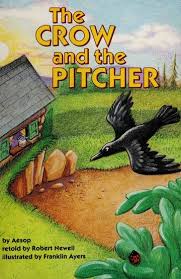
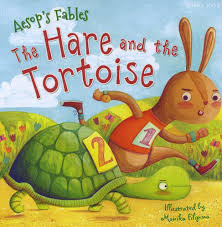
The Tortoise and the Hare” is one of Aesop’s Fables and is numbered 226 in the Perry Index. The account of a race between unequal partners has attracted conflicting interpretations. The fable itself is a variant of a common folktale theme in which ingenuity and trickery are employed to overcome a stronger opponent.
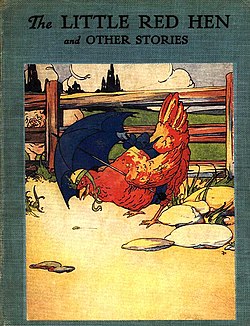
The Little Red Hen is an American fable first collected by Mary Mapes Dodge in St. Nicholas Magazine in 1874. The story is meant to teach children the importance of hard work and personal initiative.
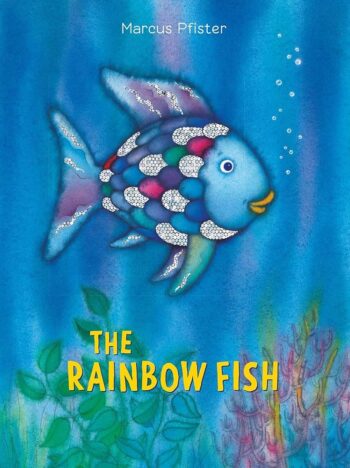
The Rainbow Fish is the story of a beautiful, colorful, and shiny fish with metallic scales that lives in the sea. Rainbow Fish loves his scales so much; he does not want to share them when asked by a blue fish. The blue fish is so hurt by Rainbow’s Fishes’ refusal to share that he no longer wants to be around him.
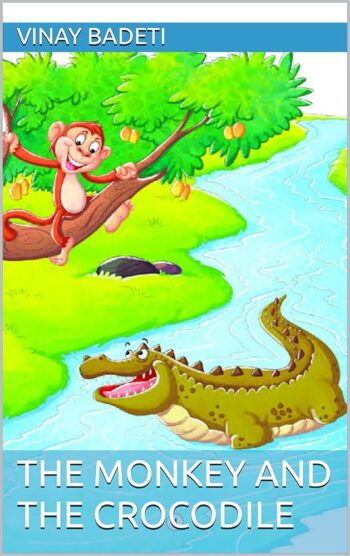
he Monkey and the Crocodile short story has its readers irrespective of age and generation. Among all the Panchatantra Monkey stories, the Monkey Crocodile story on betrayal is one of the most loved
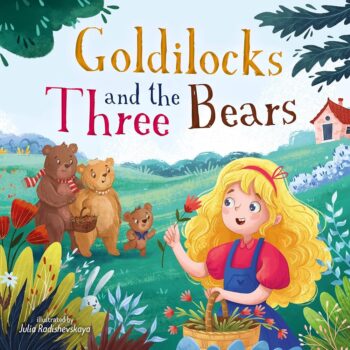
Goldilocks and the Three Bears” is a 19th-century English fairy tale of which three versions exist. The original version of the tale tells of an impudent old woman who enters the forest home of three anthropomorphic bachelor bears while they are away.
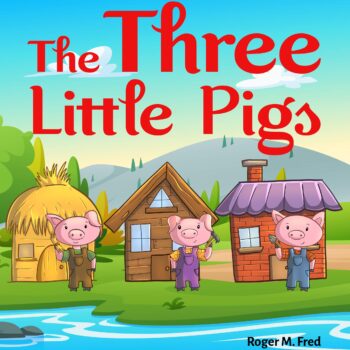
“The Three Little Pigs” is a fable about three pigs who build their houses of different materials. A Big Bad Wolf blows down the first two pigs’ houses which are made of straw and sticks respectively, but is unable to destroy the third pig’s house that is made of bricks.
The Lion and the Mouse is one of Aesop’s Fables, numbered 150 in the Perry Index. There are also Eastern variants of the story, all of which demonstrate mutual dependence regardless of size or status. In the Renaissance the fable was provided with a sequel condemning social ambition.


Reviews
There are no reviews yet.