
Enjoy enhanced usability from a sturdy yet comfortable build ideal for daily routines. It’s designed to deliver ensuring a dependable experience for long-term use.
General Inquiries
There are no inquiries yet.

Related Products

Spending time with family is always fun and creates new memories. Spending a day with family on a picnic in a nice park can refresh the mood and can help break the monotonous routine of daily life. Kids especially love visiting parks as it gives them a chance to connect with nature. Not only is it fun, but also has several health benefits.
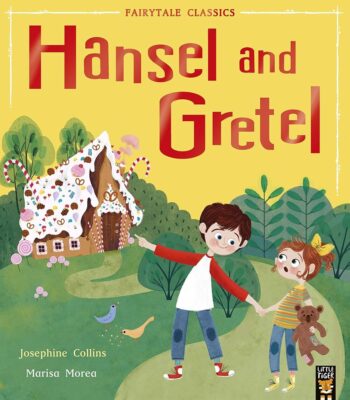
This is a rather scary story Children and adults might be a touch frightened by Natasha’s rendering of the wicked witch who wants to cook little Hansel and Gretel. But they will also be enraptured by Hansel and Gretel’s ingenuity as they triumph over evil.
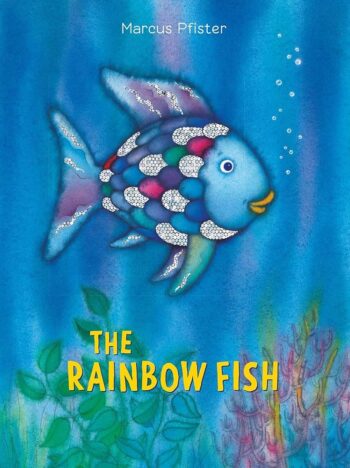
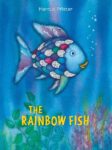
The Rainbow Fish is the story of a beautiful, colorful, and shiny fish with metallic scales that lives in the sea. Rainbow Fish loves his scales so much; he does not want to share them when asked by a blue fish. The blue fish is so hurt by Rainbow’s Fishes’ refusal to share that he no longer wants to be around him.
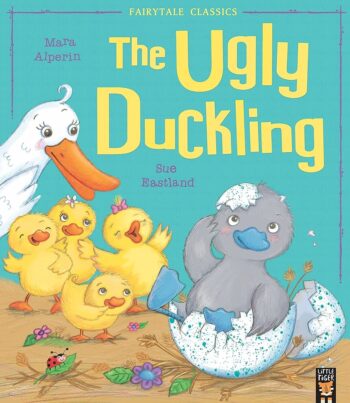
The Ugly Duckling” is a Danish literary fairy tale by Danish poet and author Hans Christian Andersen. It was first published on 11 November 1843 in New Fairy Tales. First Volume. First Collection, with three other tales by Andersen in Copenhagen to great critical acclaim.
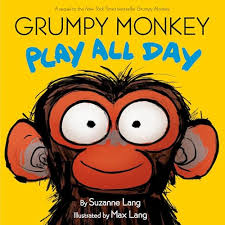
A decidedly non-saccharine celebration of friendship, love and Valentine’s Day The New York Times number 1 bestselling character Jim Panzee is very grumpy about Valentine’s Day until his buddy Norman shows him that this celebration is for everyone
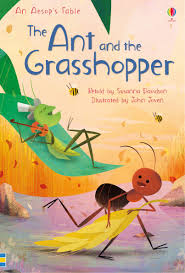
The Ant and the Grasshopper, alternatively titled The Grasshopper and the Ant, is one of Aesop’s Fables, numbered 373 in the Perry Index. The fable describes how a hungry grasshopper begs for food from an ant when winter comes and is refused.
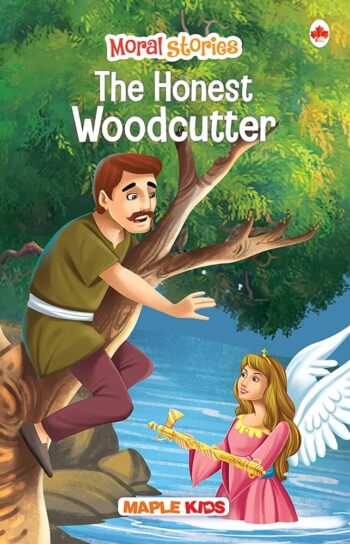
The Honest Woodcutter, also known as Mercury and the Woodman and The Golden Axe, is one of Aesop’s Fables, numbered 173 in the Perry Index. It serves as a cautionary tale on the need for cultivating honesty, even at the price of self-interest. It is also classified as Aarne-Thompson 729: The Axe falls into the Stream.
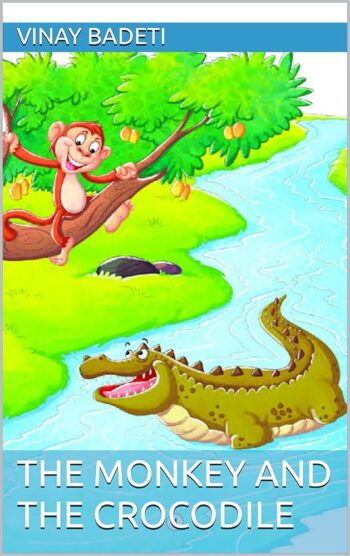
he Monkey and the Crocodile short story has its readers irrespective of age and generation. Among all the Panchatantra Monkey stories, the Monkey Crocodile story on betrayal is one of the most loved
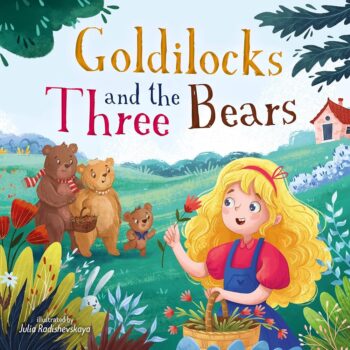
Goldilocks and the Three Bears” is a 19th-century English fairy tale of which three versions exist. The original version of the tale tells of an impudent old woman who enters the forest home of three anthropomorphic bachelor bears while they are away.
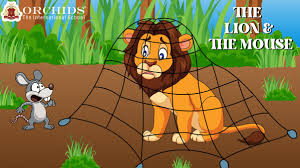
The Lion and the Mouse is one of Aesop’s Fables, numbered 150 in the Perry Index. There are also Eastern variants of the story, all of which demonstrate mutual dependence regardless of size or status. In the Renaissance the fable was provided with a sequel condemning social ambition.
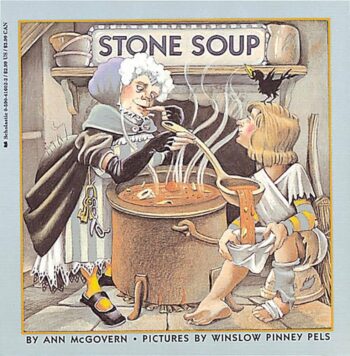
Stone Soup is a European folk story in which hungry strangers convince the people of a town to each share a small amount of their food in order to make a meal. In varying traditions, the stone has been replaced with other common inedible objects, and therefore the parable is also known as axe soup, button soup, nail soup, bolt soup, and wood soup.
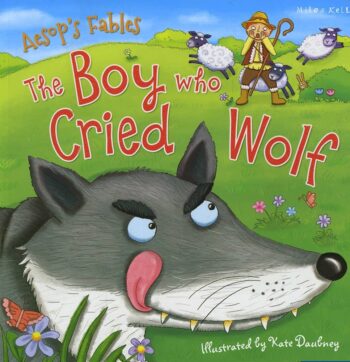
The Boy Who Cried Wolf is one of Aesop’s Fables, numbered 210 in the Perry Index. From it is derived the English idiom “to cry wolf”, defined as “to give a false alarm” in Brewer’s Dictionary of Phrase


Reviews
There are no reviews yet.