
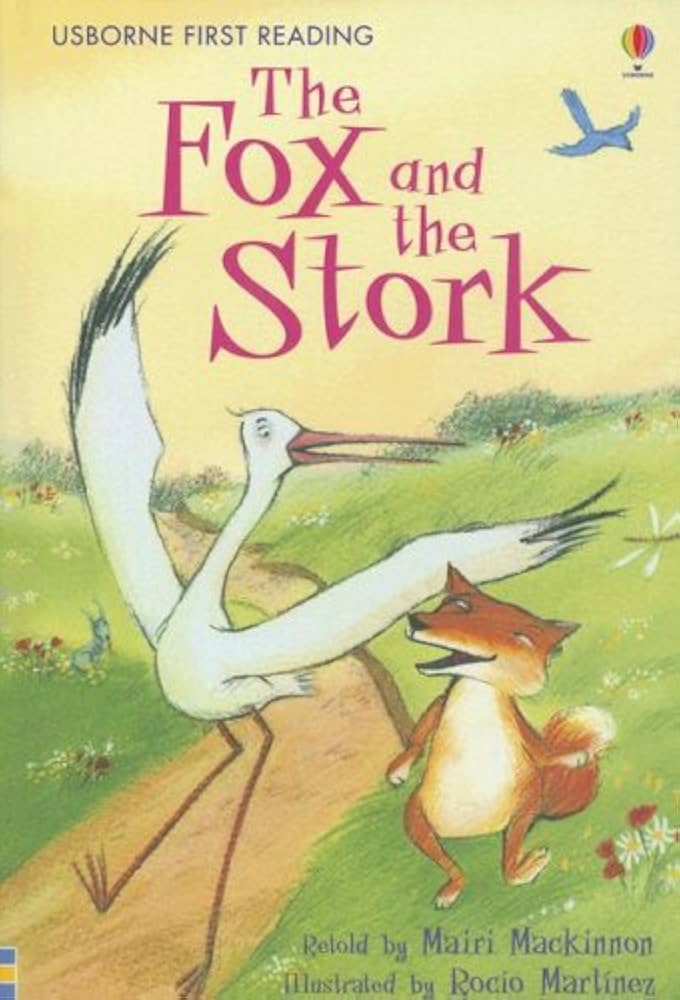
The Fox and the Stork
Original price was: ₹599.00.₹300.00Current price is: ₹300.00.
The Fox and the Stork, also known as The Fox and the Crane, is one of Aesop’s fables and is first recorded in the collection of Phaedrus. It is numbered 426 in the Perry Index.

Embrace long-lasting value from a reliable structure that adapts well to different needs. It’s designed to deliver giving you comfort and ease each time you use it.
General Inquiries
There are no inquiries yet.

Related Products
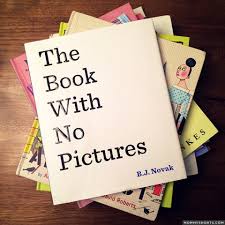
this innovative and wildly funny read-aloud by award-winning humorist/actor B.J. Novak will turn any reader into a comedian–a perfect gift for any special occasion! You might think a book with no pictures seems boring and serious. Except . . . here’s how books work.
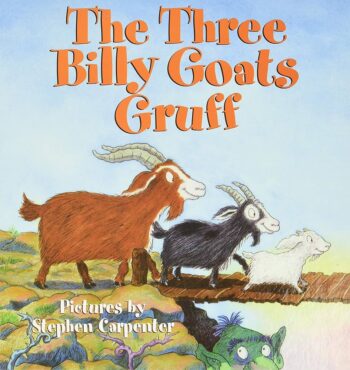
“Three Billy Goats Gruff” is a Norwegian fairy tale about three goats who face a major hurdle on their path when they went out grazing. An interesting tale using animal characters, the full story of the Three Billy Goats Gruff is highly relatable to children as they learn how to face tough situations in their daily lives.
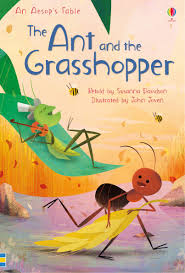
The Ant and the Grasshopper, alternatively titled The Grasshopper and the Ant, is one of Aesop’s Fables, numbered 373 in the Perry Index. The fable describes how a hungry grasshopper begs for food from an ant when winter comes and is refused.
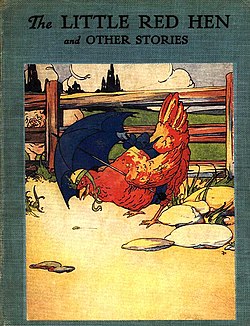
The Little Red Hen is an American fable first collected by Mary Mapes Dodge in St. Nicholas Magazine in 1874. The story is meant to teach children the importance of hard work and personal initiative.
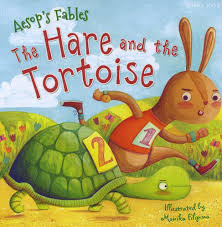
The Tortoise and the Hare” is one of Aesop’s Fables and is numbered 226 in the Perry Index. The account of a race between unequal partners has attracted conflicting interpretations. The fable itself is a variant of a common folktale theme in which ingenuity and trickery are employed to overcome a stronger opponent.
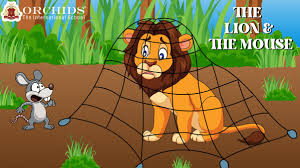
The Lion and the Mouse is one of Aesop’s Fables, numbered 150 in the Perry Index. There are also Eastern variants of the story, all of which demonstrate mutual dependence regardless of size or status. In the Renaissance the fable was provided with a sequel condemning social ambition.
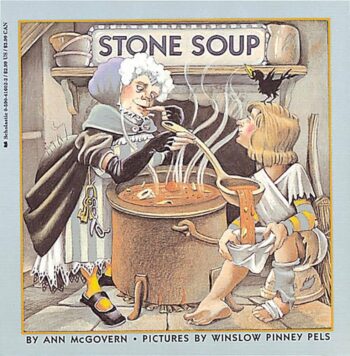
Stone Soup is a European folk story in which hungry strangers convince the people of a town to each share a small amount of their food in order to make a meal. In varying traditions, the stone has been replaced with other common inedible objects, and therefore the parable is also known as axe soup, button soup, nail soup, bolt soup, and wood soup.
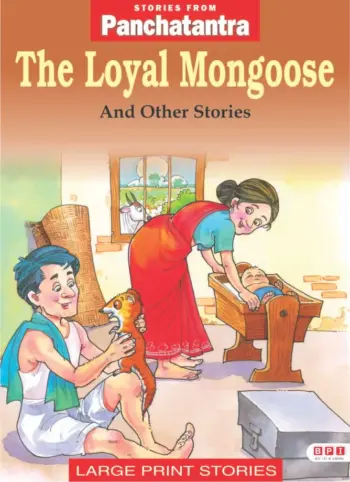
Once upon a time in a village, there lived a
Brahmin with his wife. One day, they were blessed
with a son. The Brahmin thought to have a pet for
the child so as to protect him as well as to get a
companion for him.
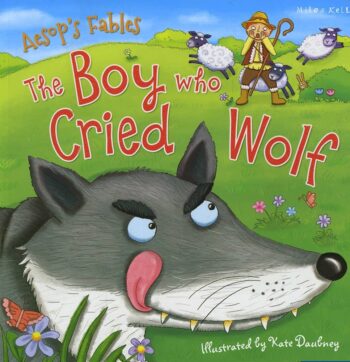
The Boy Who Cried Wolf is one of Aesop’s Fables, numbered 210 in the Perry Index. From it is derived the English idiom “to cry wolf”, defined as “to give a false alarm” in Brewer’s Dictionary of Phrase
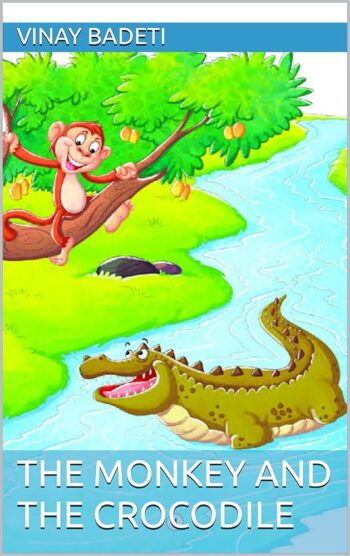
he Monkey and the Crocodile short story has its readers irrespective of age and generation. Among all the Panchatantra Monkey stories, the Monkey Crocodile story on betrayal is one of the most loved
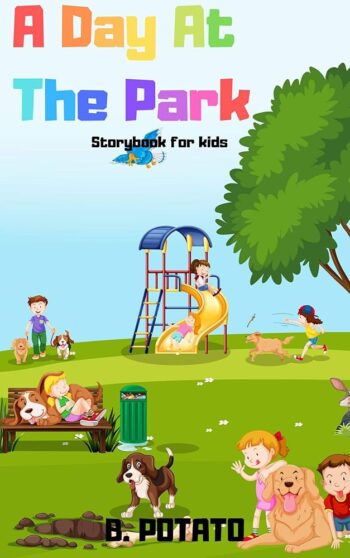
Spending time with family is always fun and creates new memories. Spending a day with family on a picnic in a nice park can refresh the mood and can help break the monotonous routine of daily life. Kids especially love visiting parks as it gives them a chance to connect with nature. Not only is it fun, but also has several health benefits.
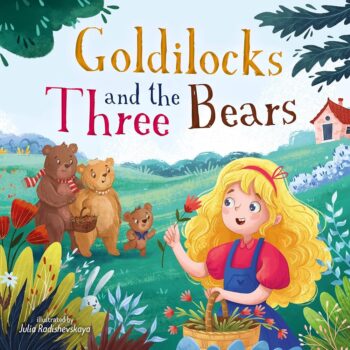
Goldilocks and the Three Bears” is a 19th-century English fairy tale of which three versions exist. The original version of the tale tells of an impudent old woman who enters the forest home of three anthropomorphic bachelor bears while they are away.


Reviews
There are no reviews yet.